This project is an ethnographic study conducted through the medium of photography. From the perspective of a United States student studying abroad, I will seek out important historical, social, cultural, and political locations and figures to document. I will then provide my personal accounts through my interactions and experiences during my four months studying abroad in the city of Budapest. My goal is to share the city as I have experienced it over this semester. I aim to highlight the most interesting aspects of Hungarian culture that I have encountered in Budapest.
Parliament
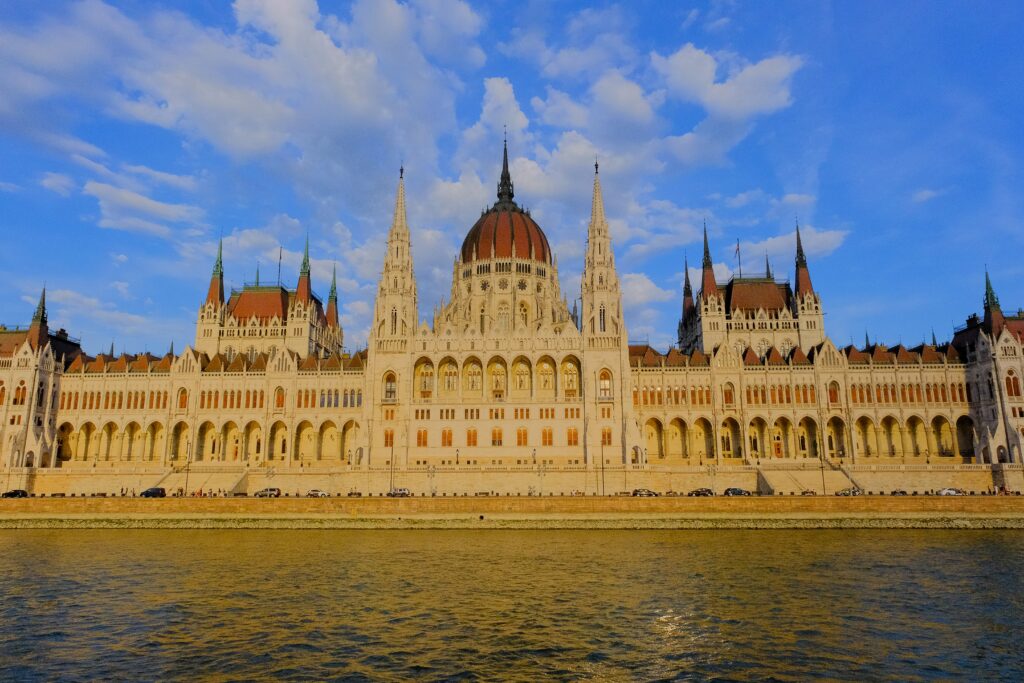
Parliament serves as more than just a representative building in the heart of Budapest. It has been fascinating to learn about the role of the government and how citizens of Hungary are affected by the current administration. I have had the chance to speak with several Hungarians over my months in Budapest about their thoughts and feelings toward the government.
Early on in my semester abroad, I had a conversation with a group of primary school 12th-year students in City Park. Among other topics, they discussed how their families are affected by the strength of the forint. Their primary concerns centered on the difficulty of achieving a stable household income and maintaining purchasing power given the price of goods relative to wages. What was new to me was the neutrality in their tone. The United States has become so overwhelmed with opinion-driven politics. So much so that it is difficult to have a meaningful, intellectual conversation about politics without it becoming deeply personal.
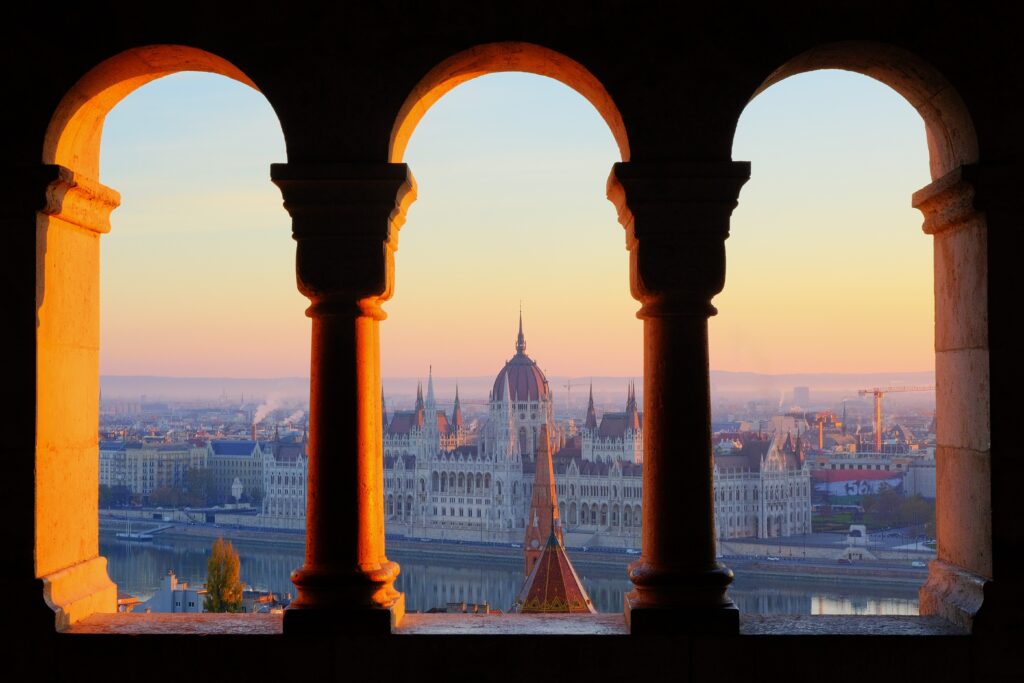
Aside from the political role Parliament serves, it is also one of the most stunning buildings I have ever seen. I highly recommend the audio tour of Parliament for a comprehensive look at the building’s history and present-day use. For the best view of Parliament, I recommend taking the number 2 tram to Batthyány tér. The view from across the Danube, in my opinion, is second to none.
Buda Castle
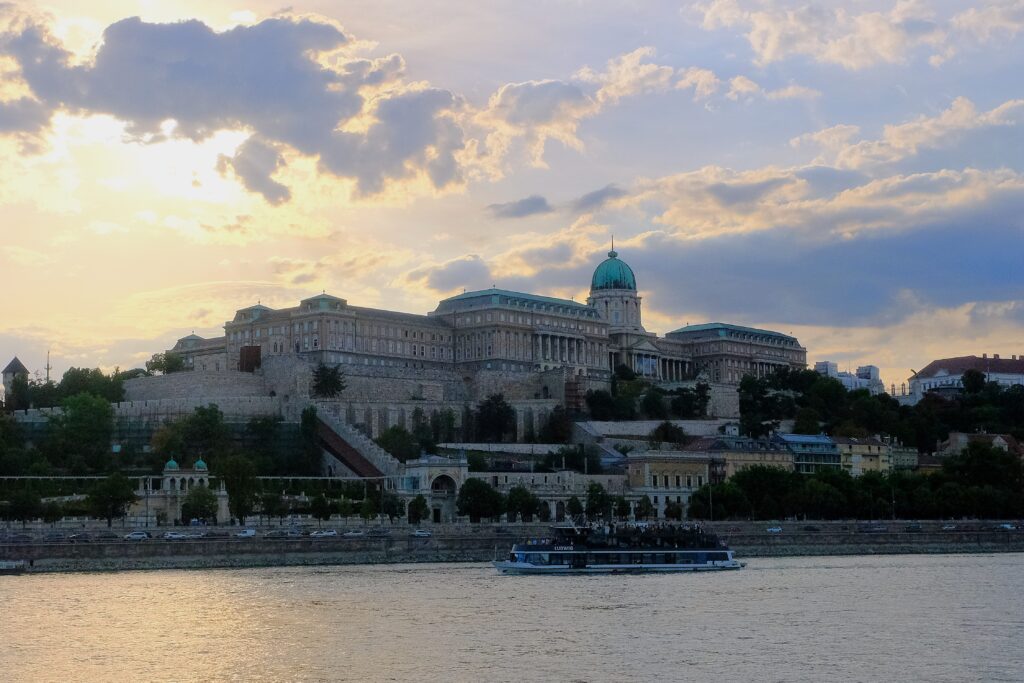
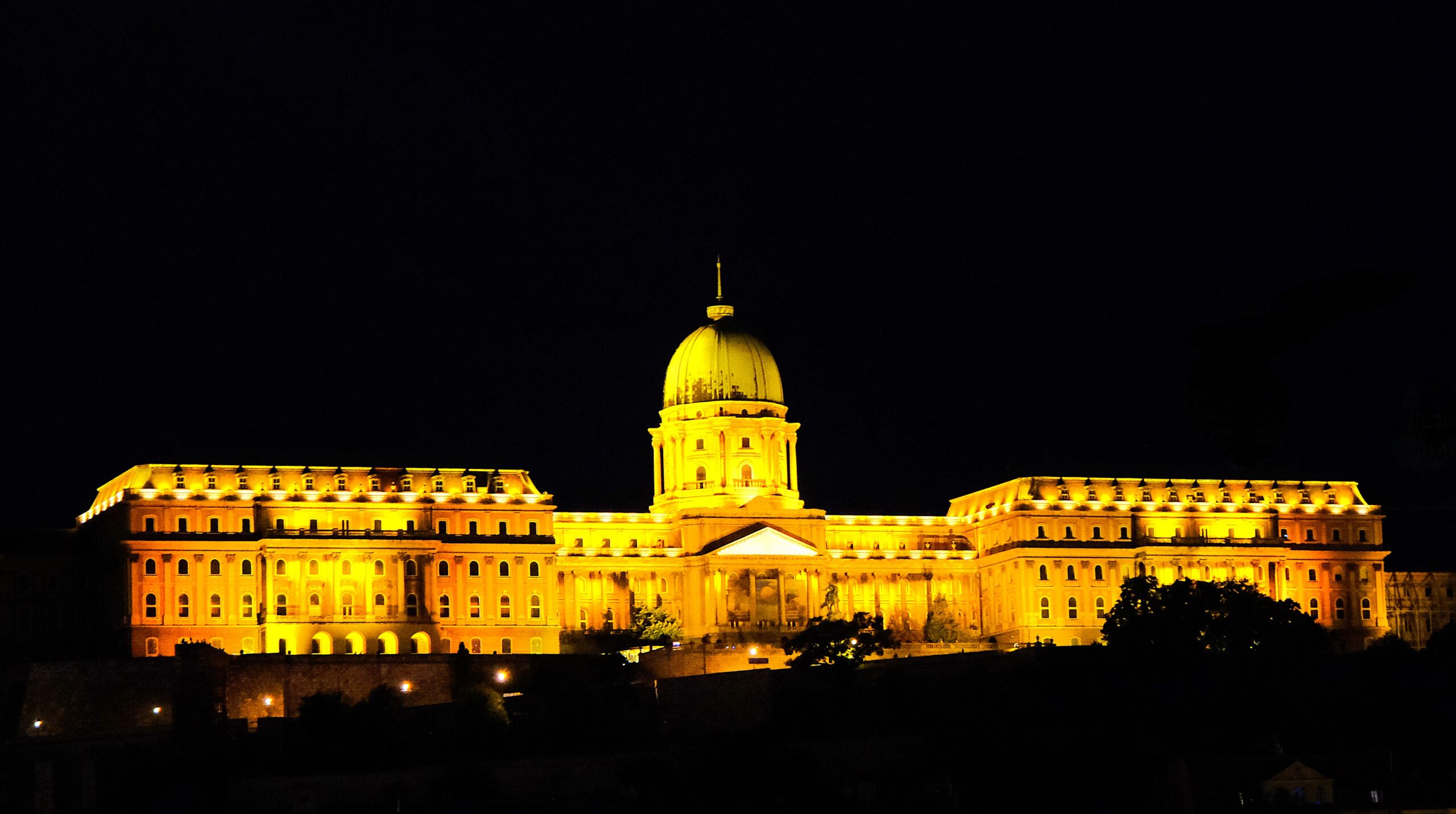
It was difficult for me to wrap my head around the breadth and depth of the history surrounding Buda Castle. From the early Hungarian Empire to Ottoman Turkish rule and beyond, the castle has experienced immense shifts in power, all of which are reflected in its eclectic architectural composition. The only comparison I can make in the United States to a structure with a similar level of complexity would be New Orleans, Louisiana. The castle itself feels like a massive, multigenerational art piece.
This gives the castle and the surrounding Castle Hill a character that is undefined yet bold. Currently, Buda Castle houses the Hungarian National Gallery, which is a remarkable collection of Hungarian art from the 11th century to the present day. The castle also houses the Budapest History Museum, which offers a comprehensive account of Budapest from its earliest records. For the amount of destruction and hardship the city has faced, seeing this history so elegantly presented reflects a remarkable strength and dedication to identity.
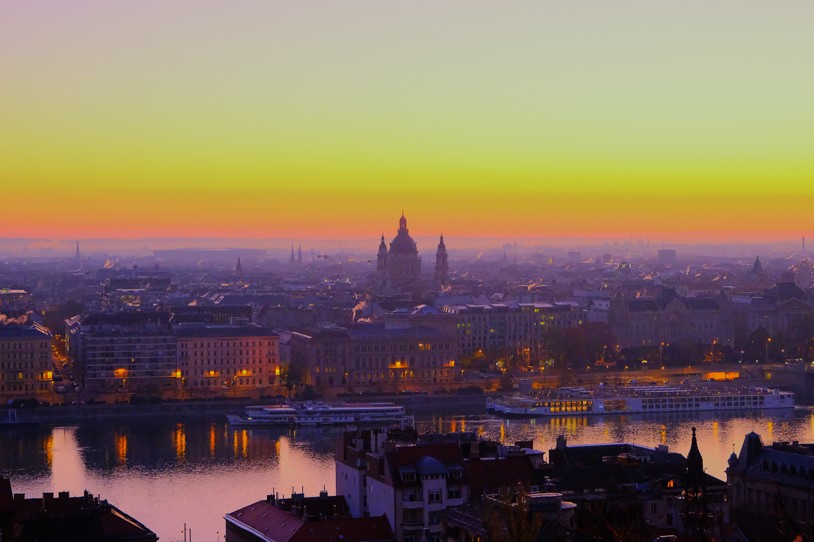
I recommend Buda Castle as a prime location to watch the sunrise over Pest and across the Danube. Several times throughout the semester, my peers and I ventured to the Buda side of Budapest and climbed our way to the back courtyard of Buda Castle. There are no words to describe the serenity of this location. If you are lucky enough to experience it, you will remember the view for the rest of your life.
Bridges
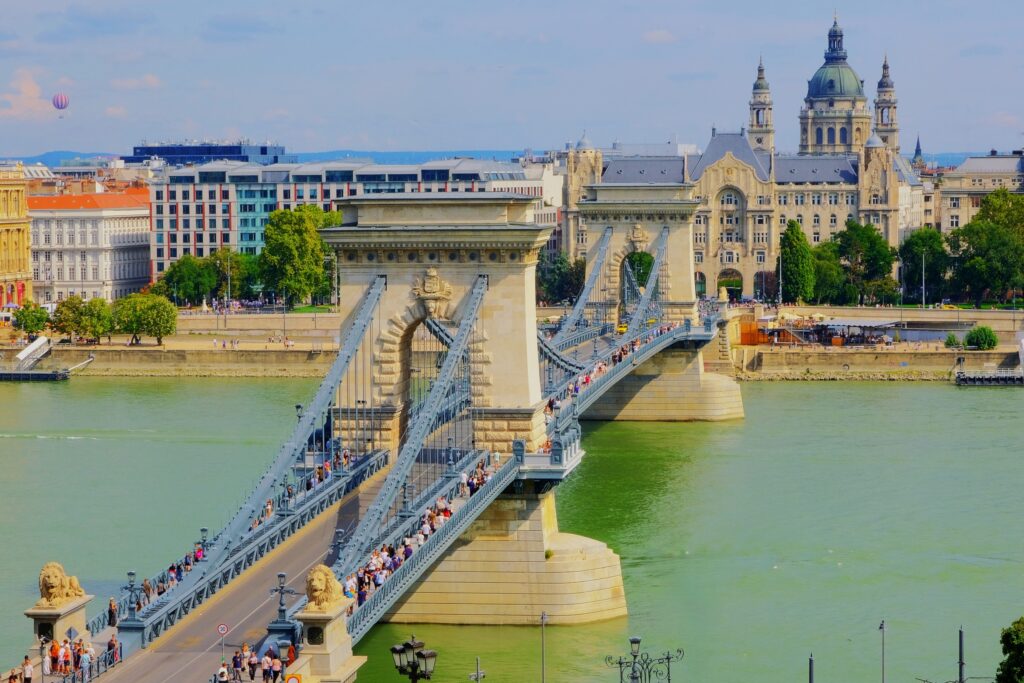
The bridges of Budapest have come up in conversation so frequently that I feel compelled to discuss their significance. Budapest has gorgeous yet distinct architecture on both the Buda and Pest sides of the city. The bridges act as a, quite literal, bridge between the styles and rhythms of each side. I have heard the bridges themselves compared to Hungary several times, with historical hardship and resilience serving as points of comparison.
I am not afraid of heights, but there was a thrilling edge to sitting on the sides of the Liberty Bridge alongside other students. When I first arrived in Budapest, crossing the bridge and seeing groups picnicking on the beams was shocking and something I had never seen in the United States. However, as I warmed to the idea and tried the experience for myself, I realized it was simply another way Hungarians show gratitude for what they have and make use of their city in such compelling ways.
Templom
For the sake of this collection, I will be focusing on Saint Stephen’s Basilica and Matthias Church on Castle Hill. This is not to discredit or dishonor any other temple or church in the city; I simply had the most experience and interaction with the two presented below.
Saint Stephen’s Basilica is truly a giant, with an unbelievable spiritual and social atmosphere. My curiosity led me into the church purely out of awe at the exterior facade. Inside, there is a captivating bronze depiction of the life of Saint Stephen, as well as the beautifully painted dome. On a personal note, as a music lover, I highly recommend this venue for its musical contributions to the city. Saint Stephen’s Basilica holds weekly organ concerts and hosts choirs and contemporary artists. Experiencing music in such a magnificent setting is truly unforgettable, amplified by the ambiance and majesty of the Basilica itself.
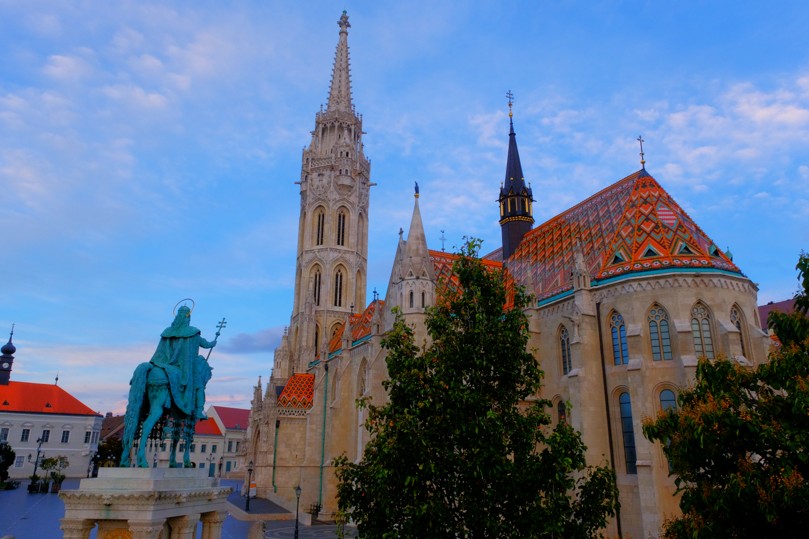
Similarly, Matthias Church on Castle Hill is a jewel of Buda. The first thing I grew to appreciate about Matthias is its cultural significance in relation to Buda Castle. While the church has deep historical connections to the castle, it stands on its own as well. I was often presented with the perspective of Buda Castle and Matthias Church acting as each other’s counterpart and balancing force. In this relationship, Buda Castle secures political stature, while Matthias Church served as the religious authority. Additionally, this is the location where royal ceremonies and coronations took place. Like many other complex and visually stunning buildings in the city, Matthias Church has seen reformation, destruction, and restoration, which only deepens the intrigue of this hilltop landmark.
Szimpla Kert
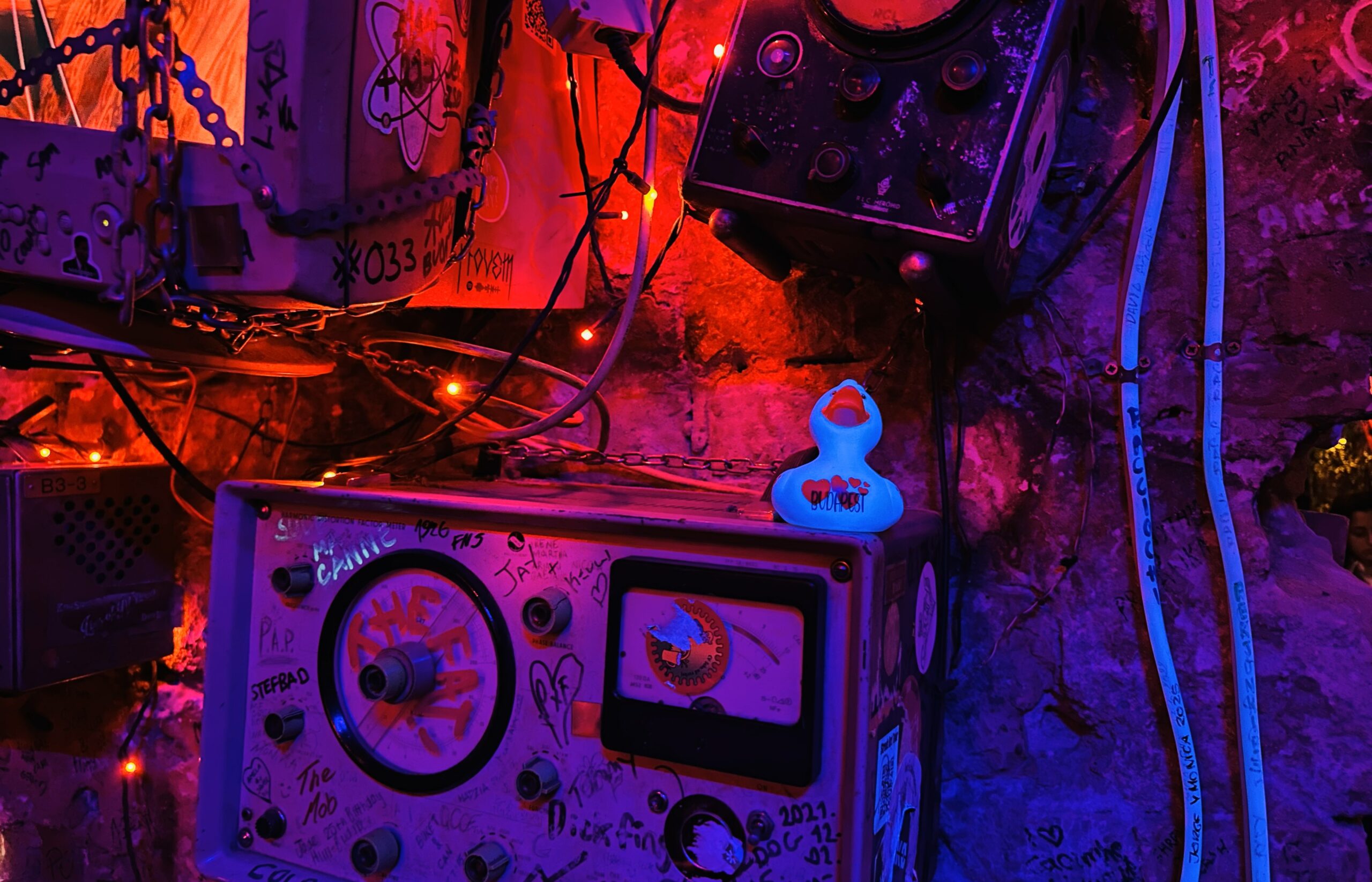
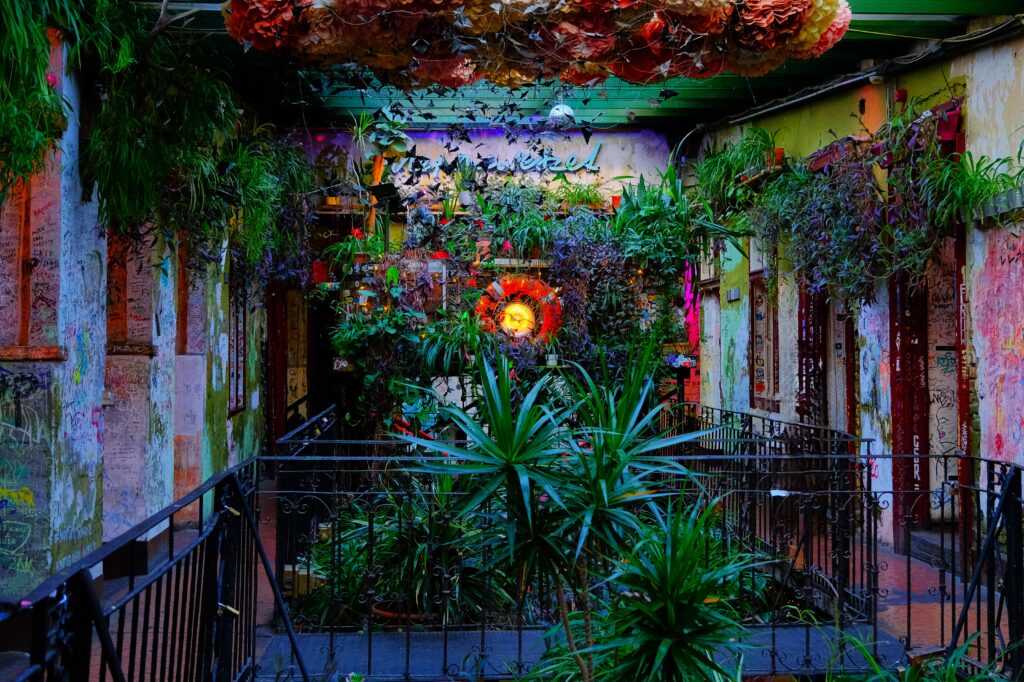
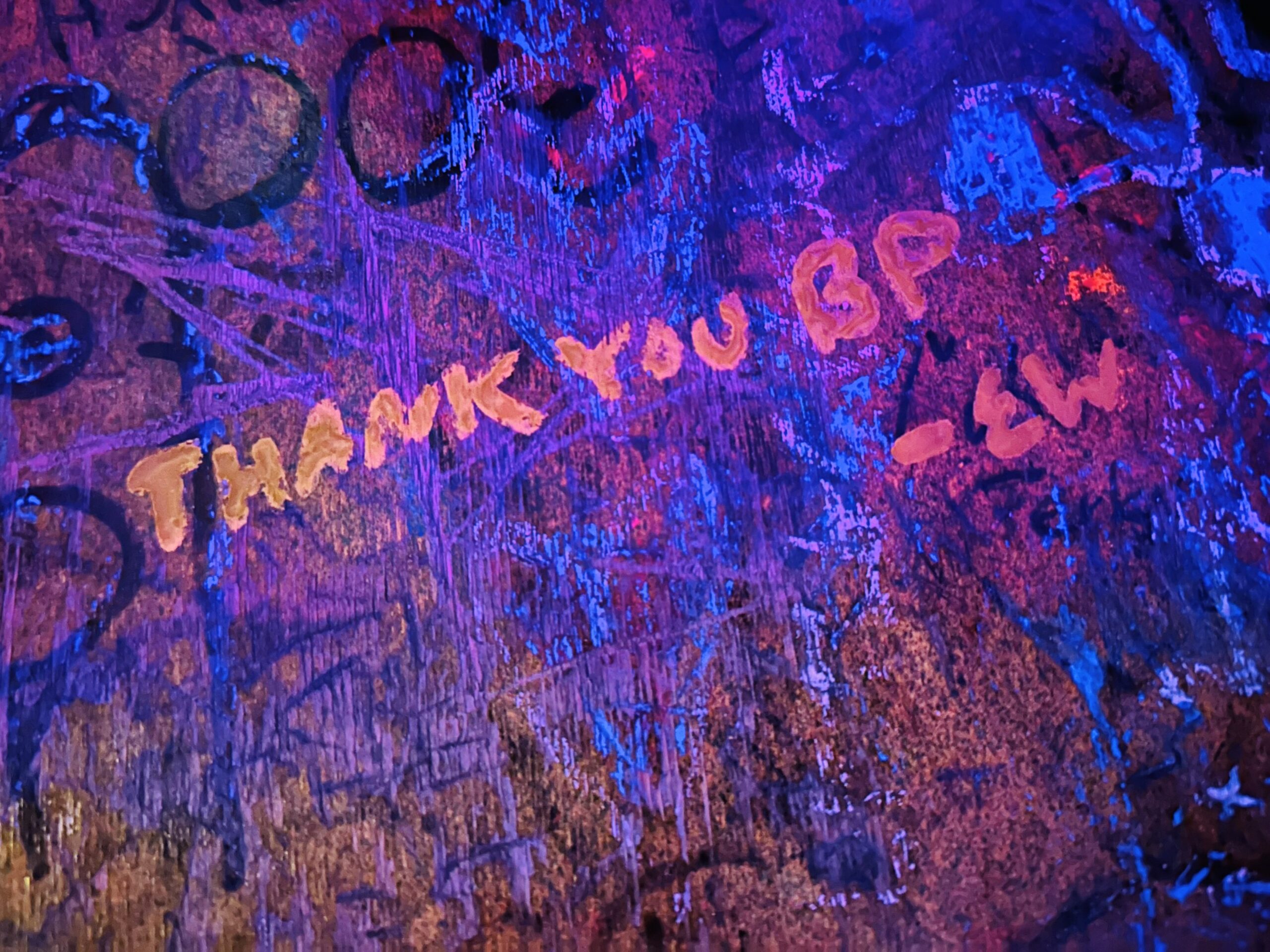
I have had the good fortune of visiting Szimpla Kert several times throughout my four months in Budapest. I have often wondered how Alice felt when she found herself in Wonderland after falling down the rabbit hole, and I now believe that entering Szimpla Kert is the closest I will ever come to understanding that experience. The immediate technicolor glow of graffiti, art, and history illuminated by blacklight is unlike anything I had experienced before.
The obvious attraction of this ruin bar is its lively nightlife atmosphere. Flowing drinks and music create a harmonious funnel that keeps you engaged and actively drawn into the Szimpla vibe. However, I have also found that enjoying a slower night at Szimpla is just as possible. The upper terrace and second floor are prime spots for conversation. One night at Szimpla, I had the chance to meet a teacher from Sweden who was visiting Budapest for the first time with his traveling companions. We discussed our home countries, history, and politics, and in the end, I have Szimpla Kert’s multidimensionality to thank for the encounter.
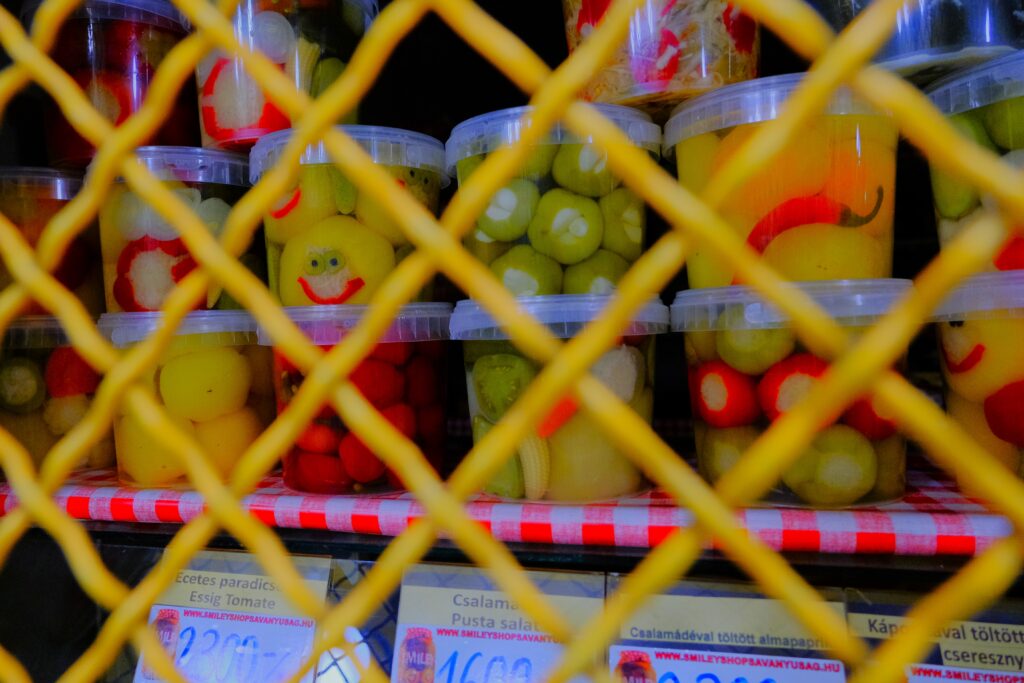
If nightlife is not for you, I recommend Szimpla Kert’s Sunday farmers’ market. Locals set up tables throughout the bar selling what was described to me as “local goods and delicacies.” Mostly homemade items, evident in the reusable Tupperware containers and handwritten labels describing the contents. Pickled goods, sauces and spices, cured meats, and freshly baked items made up the majority of what was being sold. In the glow of daylight, you notice more about the structure of Szimpla than you ever could at night. From near demolition to a shrine of resilience and perseverance in the face of adversity, Szimpla sparked the boom of ruin bar culture in Budapest. For that, it has my most sincere thanks.
Taking a deeper look, Szimpla Kert reveals much about the nature of Budapest itself. Almost immediately, you become aware of visitors and patrons, people like yourself, experiencing the visual spectacle of Szimpla for the first time. I recommend taking your time to examine the structure and composition of the wall art. You will find messages in every language and representing every cultural perspective, with some dating back decades to the ruin bar’s beginnings.
City Park
City Park, for me, is an unsung star. I was astonished by both the composition of the park and its effect on the community. I have visited several “city parks” in large U.S. cities, such as Central Park in New York City and Grant Park in Chicago. I can firmly say that none have impressed me in the same way as Budapest’s City Park.
The first thing I find impressive is the abundance of social infrastructure. Public-use soccer fields, basketball courts, ping-pong tables, game tables, standing gym equipment, jungle gyms, rock-climbing walls, and bike tracks are all well maintained and readily accessible to anyone at any time. Even more significant than the presence of this infrastructure, which is impressive in itself, is the fact that people actually use it. I cannot remember the last time I was in the United States and saw so many people engaging with public health resources in any capacity. It might not seem like much, but infrastructure like this has a critical impact on social health outcomes. In my opinion, this is a revealing indicator of differences in public health awareness between Hungary and the United States.
The second thing I find impressive is the educational and artistic presence within the park. If you have not visited the Agricultural Museum in City Park, I highly recommend the experience. It is an informative and worthwhile visit that showcases not only agriculture, but also the vast history of food and drink in Hungary. The Museum of Ethnography and the Budapest Music Center are additional stops I can recommend from personal experience. What City Park accomplishes, where so many other parks fall short, is the seamless blending of these elements. I have seen public park culture slowly decline in several urban areas of the United States, so witnessing a socially vibrant park like City Park gives me hope.
Great Market Hall
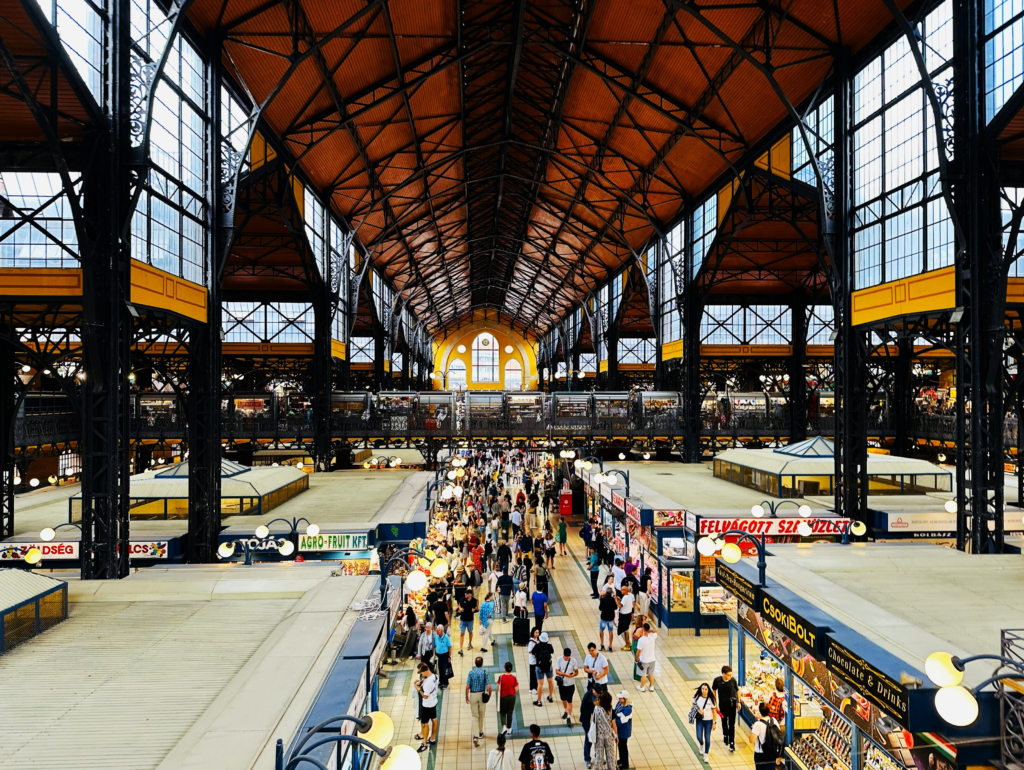
In my research on Budapest prior to my semester abroad, one of the most consistently recommended stops in the city was the Great Market Hall. I can firmly endorse these recommendations, as it may be one of my favorite places in the city. Yes, it can be crowded, but what you get out of the experience is well worth it. When discussing this location with friends and family in the United States, I have compared the Great Market Hall to a shrine. It is a monument to the gastronomic history and diversity of Hungary.
This is where I had my first interaction with several Hungarian foods, including traditional Hungarian sausages and gulyás. Is this the best place to get food in Budapest? No, but it is iconic and serves as a strong introduction to what you should expect if you plan to be in the city for a while. One aspect of the Great Market Hall that differed from what I had read and been told was the idea that it is purely a tourist spot. While it is certainly a thriving tourist attraction, through returning and speaking with several vendors, it seems that a fair number of residents also do their shopping there. I think this is a perfect example of how travel and tourism can support the livelihood of an establishment like the Great Market Hall while still remaining true to traditional and residential audiences.
Public Transportation
Public transportation might not seem groundbreaking, but I have relied on it more than I ever imagined I would. The public transportation network in Budapest is one of the best I have experienced. Efficiency and reliability are the most important characteristics of public transportation for me, and Budapest takes this a step further by also having the cleanest system I have seen. On a separate note, I have found public transportation in Budapest to be remarkably safe. There have been late nights returning from tours or city excursions when I never once felt unsafe or at risk in the way I often have in major cities in the United States.
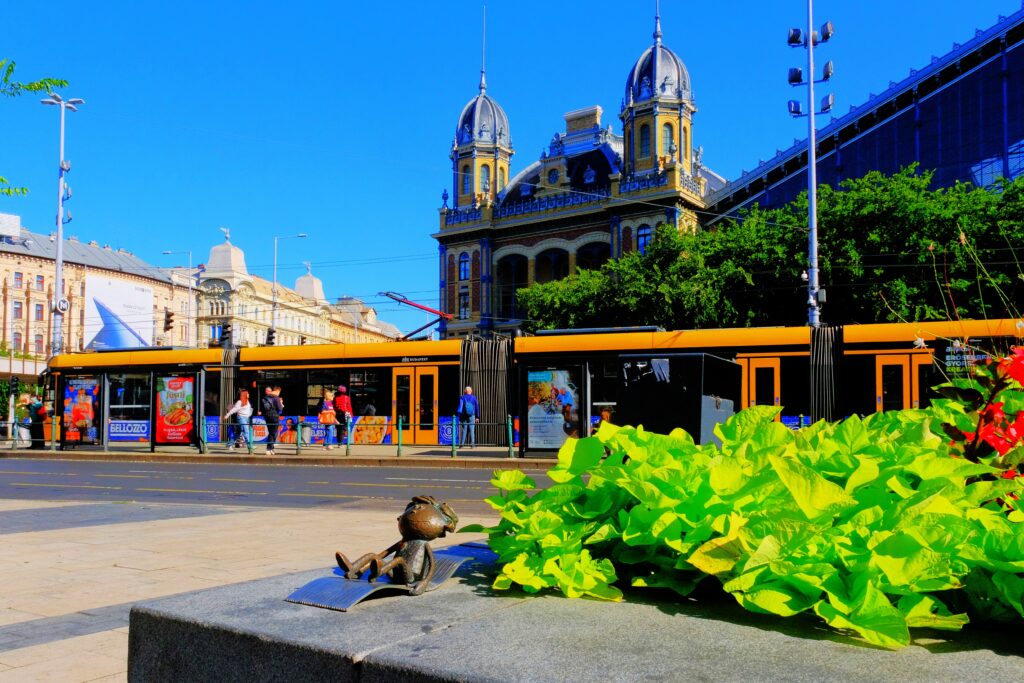
What I have found especially interesting is how accessible public transportation is to different demographics. On one of my trips across Pest via the yellow tram, I was able to speak with an older couple about public transit in the city. I learned that for citizens over the age of 65, all public transportation is completely free. They shared how easy and convenient the system is for them. You would not expect to feel so excited about something so simple, but it is exactly this type of infrastructure that can have massive impacts. Additionally, all students are eligible for discounted passes, making the city entirely accessible. One of the first things I was instructed to do once my program started was to purchase a travel pass, and it was the best investment I could have made.
Hungarikums
I find the concept of nationally recognized and protected products incredibly fascinating. I think this designation is a wonderful expression of national pride.
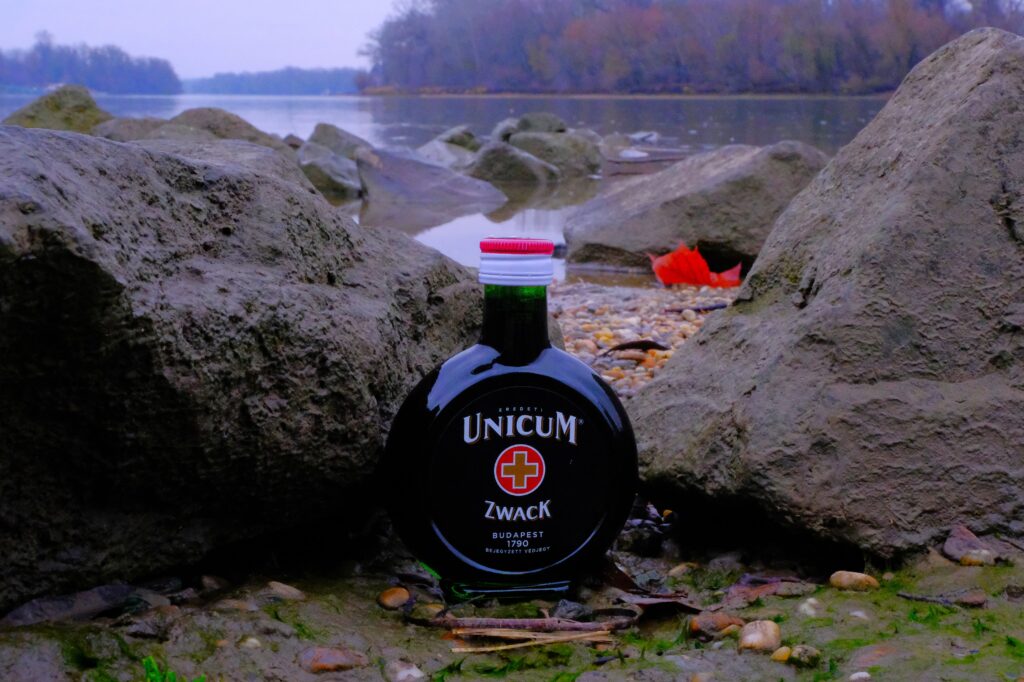
I had the chance to experience a number of Hungarikums while studying abroad, with various forms of paprika easily being the most frequent. Many of the first dishes you try in Hungary, especially those recommended as traditional, include some variation of this spice. This semester, I took a course called From Garden to Table. A core component of the course involved studying and experiencing Hungarikums while learning the cultural and historical context behind their use. One such experience included touring the Zwack Unicum factory to learn about the liqueur’s complex history and unique production process. Regardless of which Hungarikum we discussed, there was always a strong sense of cultural significance tied to it.
One of the most in-depth experiences I had with a Hungarikum was a study trip to the Tokaj wine region. Our visit included an evening at a winery, where we tasted wines and learned about the history of Tokaj. What I have come to understand about Hungarikums is that each one is deeply rooted in Hungary. This connection may be historical, tied to people and tradition, or biological, as in the case of Tokaj, where a specific fungus makes the wine possible. No matter which Hungarikum you have the chance to explore, hopefully as many as possible, take the time to understand not only what it is, but why it is so special.
Christmas in Budapest
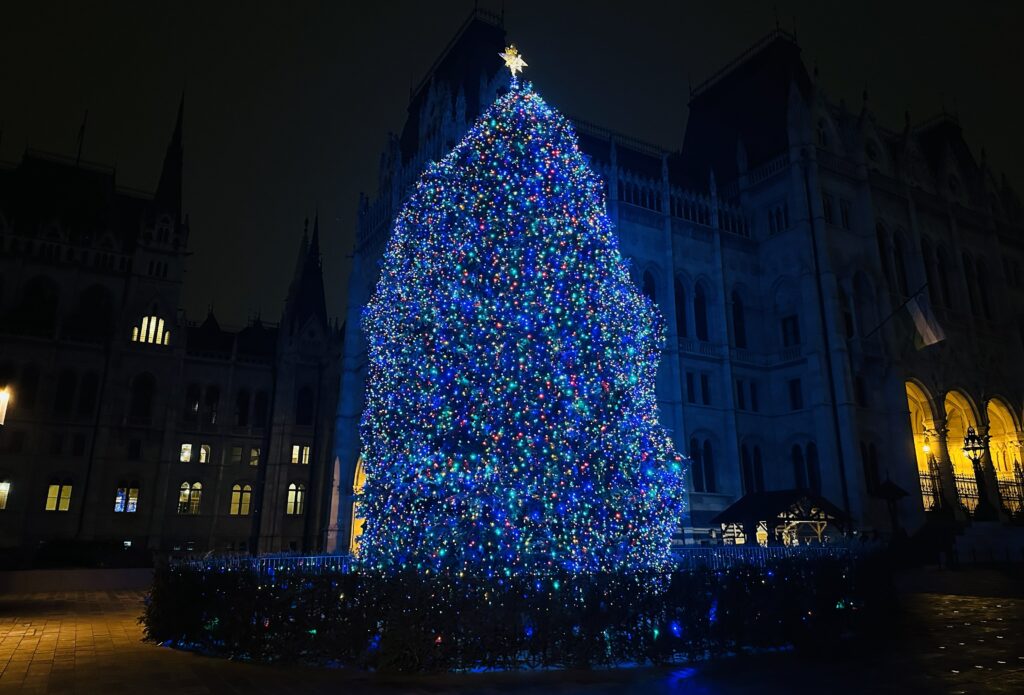
Christmas in Budapest is truly something special. You begin to feel the holiday buzz in mid-November, noticing bit by bit as the streets are wrapped in lights and decorations. Massive trees rise including one in front of the Parliament building, setting the courtyard aglow, while holiday-themed trolley cars whiz by, leaving streaks of Christmas lights in their wake.
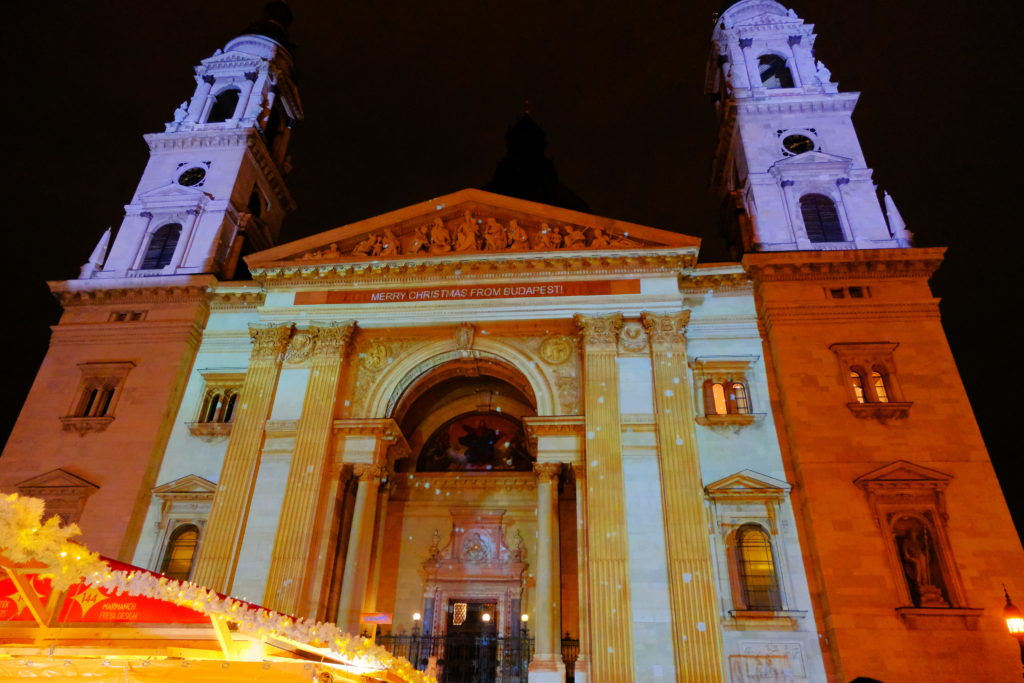
The advent Christmas markets are the main attraction in the city during this time of year. Of the markets I had the chance to explore, Advent Bazilika, otherwise known as the St. Stephen’s Basilica Christmas Market, was by far my favorite. Walking through the market, the scent of mulled wine, rich with cinnamon, cloves, and citrus, hangs in the air, warming both body and soul. Nearby, massive pots of goulash simmer, radiating amazing aromas and comforting heat. The Basilica itself is transformed by a light projection show, presenting the seasons leading to winter alongside religious icons throughout history.
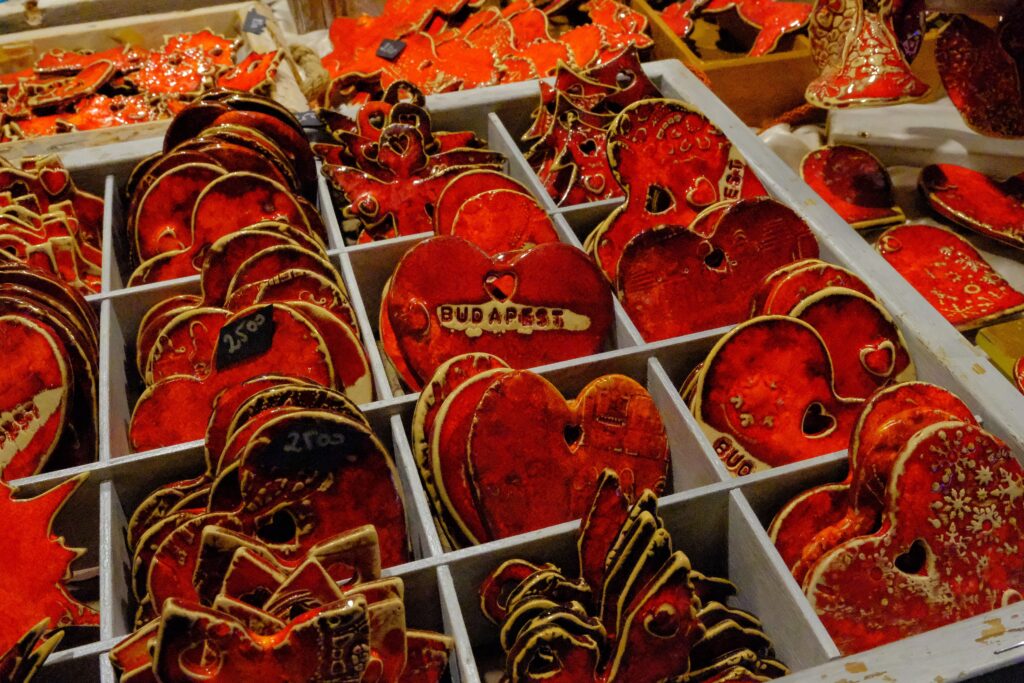
One of my favorite aspects of the Christmas markets was the handmade goods. These include pottery, dried fruit wreaths, ornaments, and even a forging stand where the vendor took requests on the spot, crafting them by hand. Mass production has plagued markets like these in the United States, making the personal touch here even more special. One vendor spoke passionately about her dedication to resurrecting traditional Hungarian pottery styles while integrating modern stylistic twists. If you take the time to appreciate the contents of these markets, you will see that history and cultural tradition have become deeply intertwined with their spirit and ethics.
Kolodko Statues
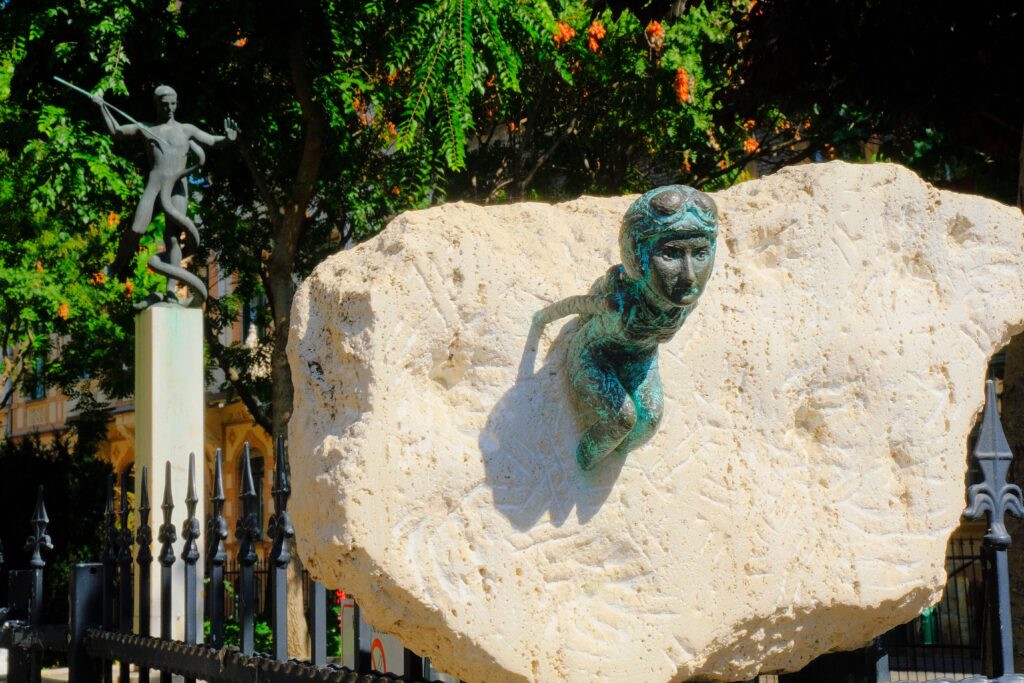
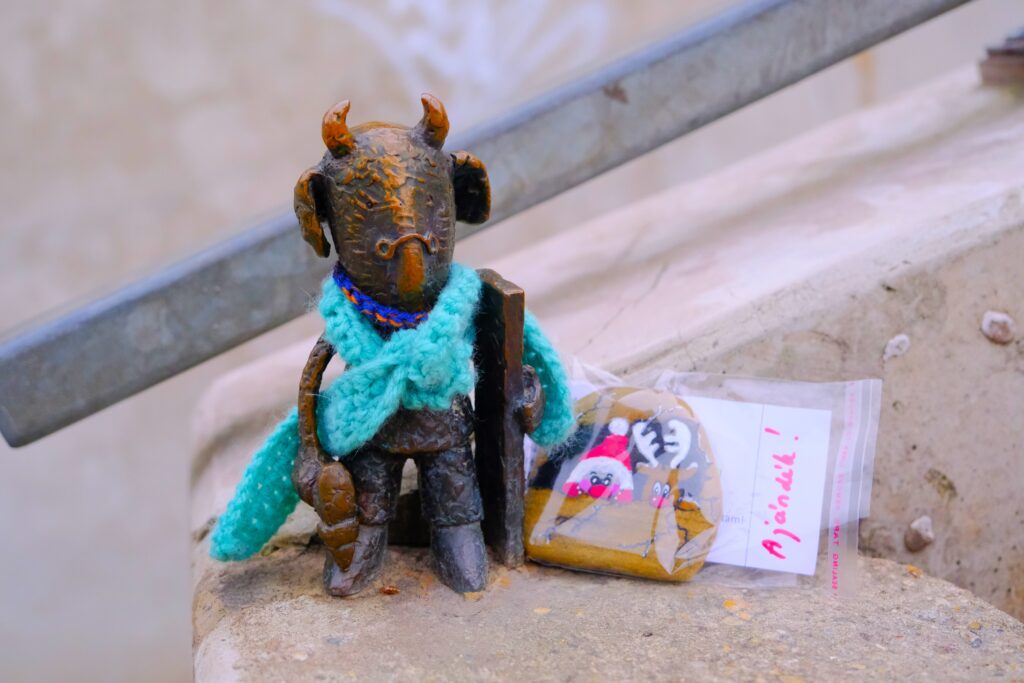
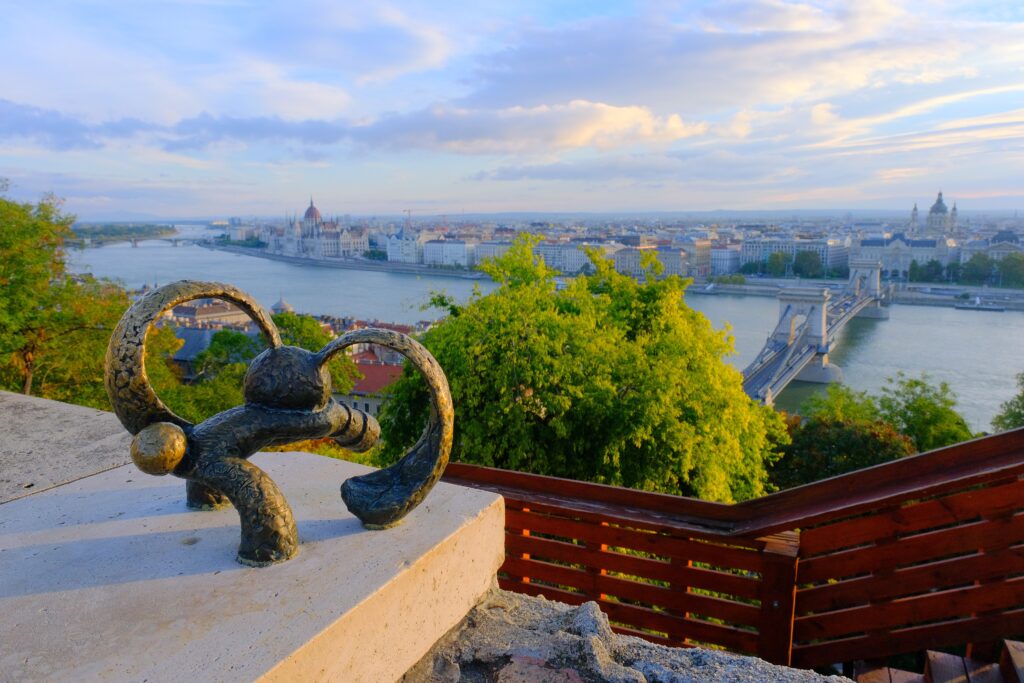
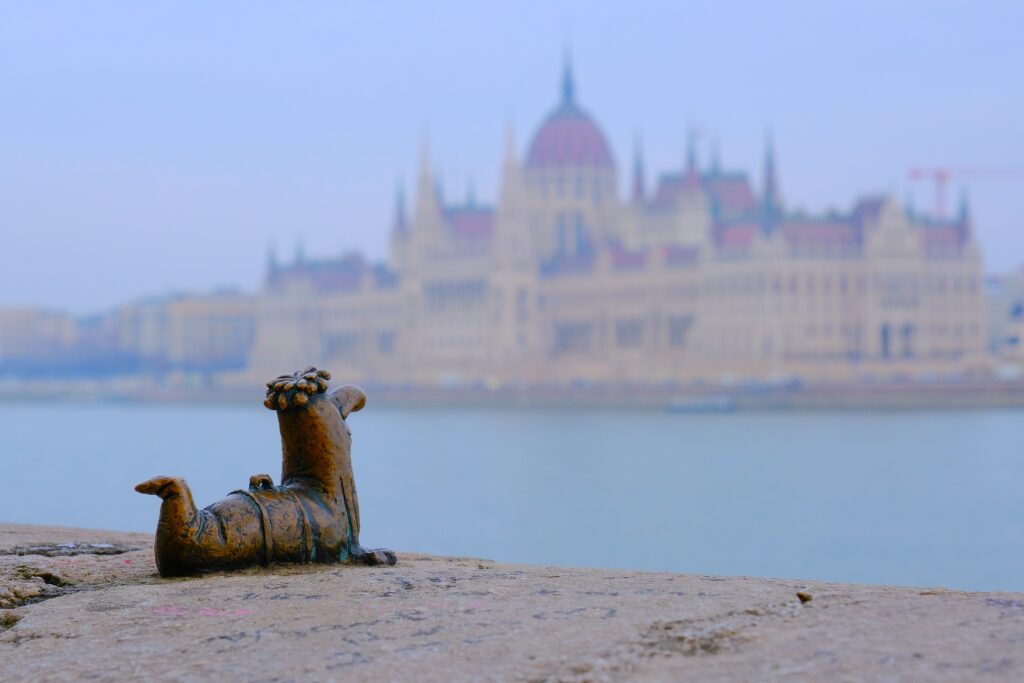
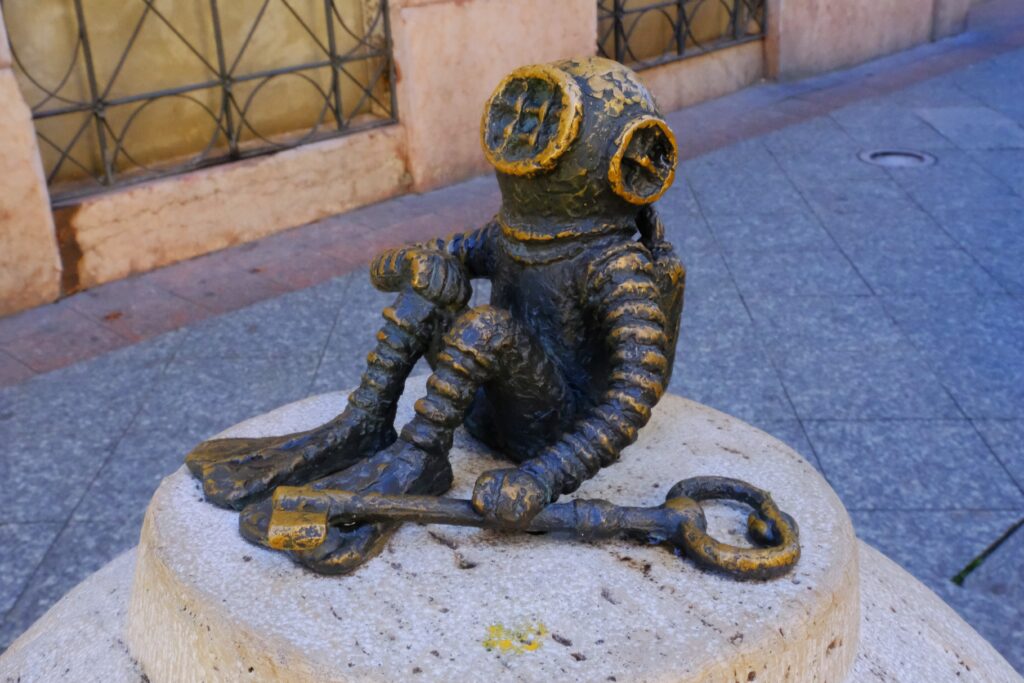
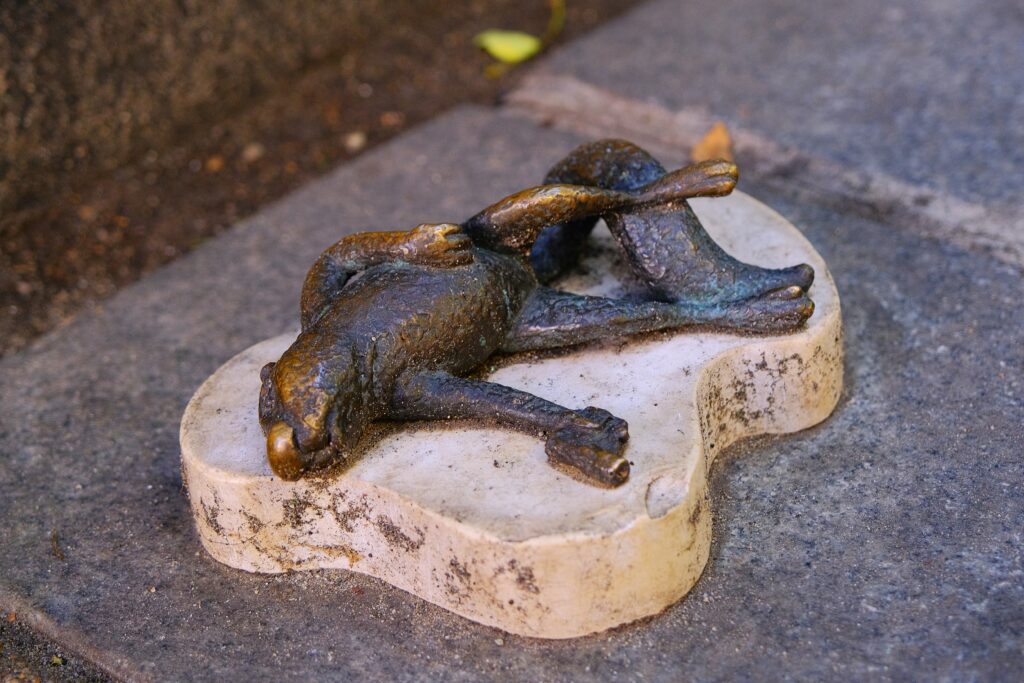
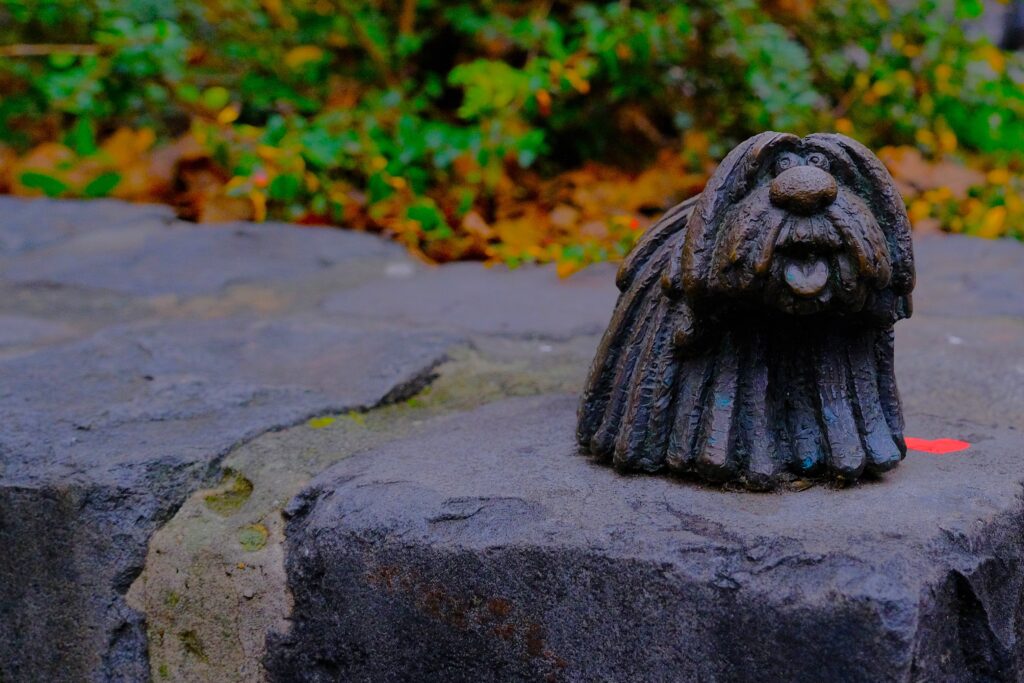
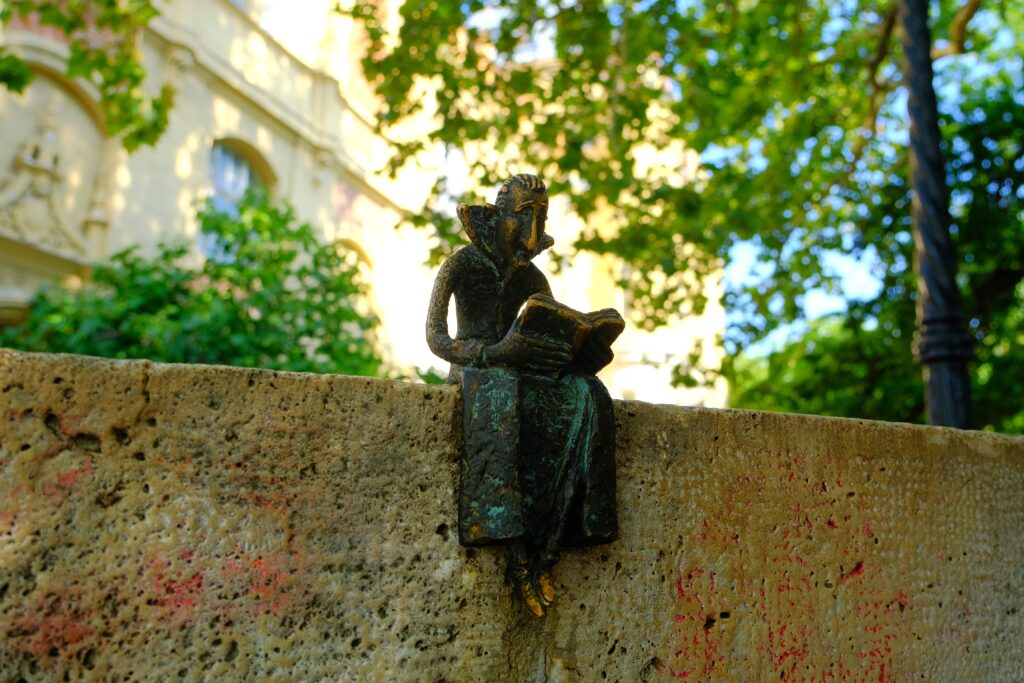
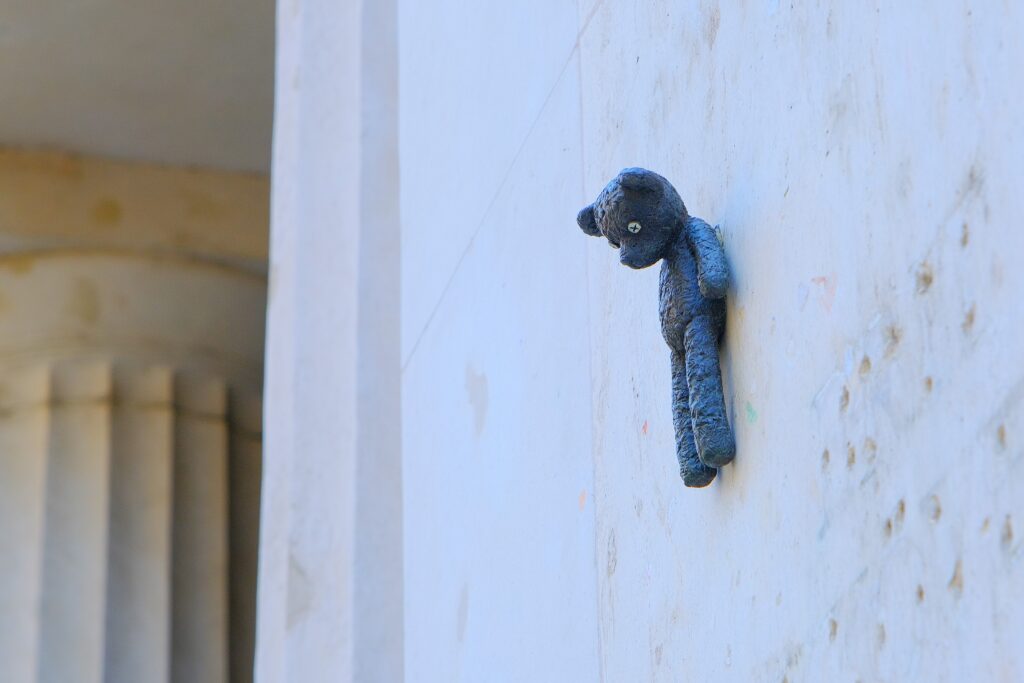
To wrap up this project, I have included a brief look at the collection of Kolodko statues I have been accumulating since my first week in Budapest. I plan to create a separate project showcasing each statue I have found, along with its location and some reflections on its meaning. These statues add a unique sense of intrigue to the city of Budapest. These art installations turn the city into a treasure hunt, and I can say from personal experience that in pursuing these statues, you will explore every nook and cranny of the capital.
The themes of the statues are very diverse. Some, like the “Brexit Bear” and “Warship,” carry clear political messages, while others, such as “Chief Worm” and “Süsü,” draw directly from Hungarian pop culture and depict iconic characters from media. I encourage any travelers in Budapest to carve out time to find at least one of these fascinating statues. But be warned: once you begin your hunt, it can be hard to stop.